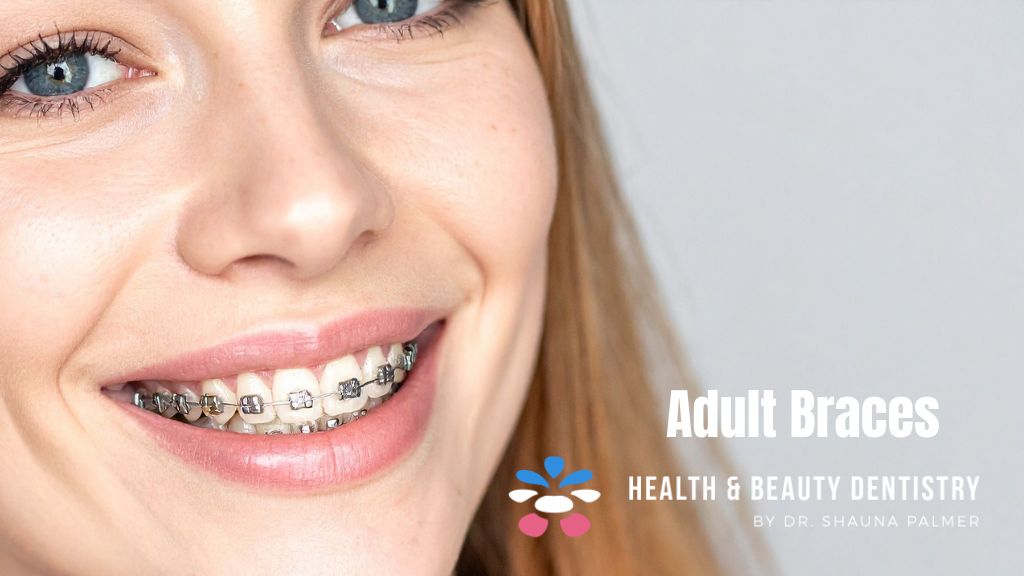
When most people hear the words dental braces, they picture awkward teenage photos, metal brackets, and a lot of patience. The truth is, orthodontics has changed dramatically—and so has who braces are for. Today, dental braces can help children, teens, and adults improve not just the appearance of their smile, but how their teeth, jaw, and bite function together
At Health & Beauty Dentistry, orthodontic care is approached with a whole-body, integrative mindset. That means braces aren’t just about straight teeth—they’re about long-term comfort, oral health, and confidence at every stage of life.
Why Orthodontics Matters More Than Just A Straight Smile
Crooked or misaligned teeth aren’t only a cosmetic concern. When teeth don’t line up properly, it can lead to:
- Uneven tooth wear
- Difficulty cleaning between teeth
- Increased risk of cavities and gum disease
- Jaw strain, clenching, or discomfort
- Headaches or facial tension
- Bite issues that affect chewing and digestion
Orthodontic treatment helps bring the teeth and bite into better balance, which supports healthier function across the entire mouth. In an integrative dental practice, orthodontics is part of the bigger picture—helping your smile work with your body, not against it.
Are Dental Braces Only For Kids And Teens?
Not at all.
While orthodontic treatment is often started during childhood or adolescence—when the jaw is still developing—braces are absolutely an option for adults. In fact, more adults than ever are choosing orthodontics to correct long-standing issues or changes that have occurred over time.
Adults may seek braces because:
- Teeth have shifted with age
- Previous orthodontic treatment relapsed
- Bite issues are causing jaw or muscle discomfort
- Teeth grinding or clenching is worsening wear
- They want a healthier, more confident smile
Orthodontic care is not about age—it’s about the condition of the teeth, gums, jaw, and overall oral health. With proper planning, braces can be effective at nearly any stage of life.
When Should Children Be Evaluated For Braces?
Children don’t always need braces early, but an orthodontic evaluation at the right time can make a big difference. Early assessments allow potential concerns to be identified before they become more complex.
Some signs a child may benefit from early orthodontic monitoring include:
- Crowded or overlapping teeth
- Early or delayed loss of baby teeth
- Mouth breathing
- Difficulty chewing or biting
- Jaw shifting or clicking
- Teeth that don’t meet properly
Early orthodontic guidance can sometimes reduce the need for more extensive treatment later on. In an integrative approach, jaw development, breathing patterns, and overall oral function are carefully considered—not just tooth alignment.
Types Of Dental Braces Available Today
Orthodontics is no longer a one-size-fits-all solution. Modern braces offer a variety of options, allowing treatment to be customized based on age, lifestyle, and clinical needs.
Traditional Metal Braces
Metal braces remain one of the most effective orthodontic tools, especially for more complex alignment or bite issues. They are smaller, more comfortable, and more efficient than in the past.
Ceramic Braces
Ceramic braces work similarly to metal braces but use tooth-colored brackets that blend in more naturally with the teeth. This option is popular with teens and adults who want a less noticeable appearance.
Clear Aligners
Clear aligners offer a removable, discreet alternative for mild to moderate orthodontic concerns. They are popular with adults seeking flexibility and convenience, though not every case is suited to aligners.
Choosing the right orthodontic option depends on your specific bite, jaw structure, lifestyle, and goals. That’s why a personalized consultation is essential.
How Long Does Orthodontic Treatment Take?
Orthodontic treatment time varies from person to person. Factors that influence treatment length include:
- Severity of alignment or bite issues
- Age and jaw development
- Type of braces used
- Consistency with appointments and care
On average, braces are worn anywhere from 12 to 24 months. Some cases may be shorter, while more complex situations can take longer. Throughout treatment, regular adjustments help guide the teeth into their proper positions safely and efficiently.
Braces And Comfort: What To Expect
Modern braces are far more comfortable than they used to be, but some mild soreness is normal—especially after adjustments. This usually fades within a few days as the mouth adapts.
Patients often find that once alignment improves, everyday comfort actually increases. A balanced bite can reduce muscle tension, clenching, and uneven pressure on the teeth.
At Health & Beauty Dentistry, patient comfort is always a priority, and orthodontic care is delivered with a gentle, thoughtful approach.
Oral Health During Orthodontic Treatment
Braces require extra attention to oral hygiene. When brackets and wires are present, plaque can build up more easily if cleaning is rushed or inconsistent.
Good orthodontic hygiene includes:
- Thorough brushing after meals
- Daily flossing or use of interdental cleaners
- Regular professional cleanings
- Monitoring gum health throughout treatment
Keeping teeth and gums healthy during orthodontics ensures better results—and helps protect your smile long after the braces come off.
Orthodontics As Part Of Whole-Body Dentistry
In an integrative dental setting, orthodontics is not treated as a standalone procedure. Bite alignment, jaw position, muscle balance, and breathing patterns all play a role in overall comfort and long-term oral health.
Correcting alignment can support:
- Improved bite function
- Reduced jaw strain
- Easier oral hygiene
- Long-term stability of dental restorations
- Enhanced confidence and facial harmony
This thoughtful approach ensures that orthodontic treatment supports both health and appearance—true to the philosophy of Health & Beauty Dentistry.
So, Are Dental Braces Right For You?
Dr. Shauna Palmer:
“Dental braces are not about perfection—they’re about function, balance, and confidence. Whether you’re considering orthodontics for your child, your teen, or yourself, the best first step is a personalized evaluation.
Orthodontic care should always be tailored to your needs, goals, and overall health. With modern options and a whole-body perspective, braces can be a positive, life-enhancing investment at almost any age.
If you’ve been wondering whether dental braces are right for you or your family, a conversation with our trusted dental team can provide clarity and guidance—no pressure, just information.”